Why stage 01 is the first place new buyers overspend.
Receiving & transfer looks like the cheapest stage on paper. In practice, it is where every new B2B service over-buys. Half the products that look essential in a sales sheet turn out to be used twice a month. The trick is to start with the minimum that covers the worst-case scenario, then buy more once volume tells you what you actually need.
Start with the worst-case case
The product mix that a small to mid-volume pet aftercare service needs in the first month is the product mix that works on a hard case — long transfer, family distress, oversized companion. No clever extras required.
The non-negotiable products.
- Soft Transfer Carrier: the only carry method that travels home to clinic to cremation facility cleanly. Buy two per service, sized for the typical companion range.
- Absorbent Care Pad: sized to fit the carrier and tested against the post-cooler stage too. Buy one case per 30 cases of expected volume.
- Biodegradable Pet Remains Bag: the closure element. Get one size that fits both small and medium companion weight ranges.
- Case Record Folder: reinforced cardboard folder with a print slot for the case ID. Buy in the run that matches your brand print minimum.
- Case Identity Label & Seal: tamper-evident label carrying the case ID. This is what makes the entire service auditable.
Stage 01 products to leave for month two.
- Specialty carry sizes (oversized). Most services do not need them in the first month.
- Branded alternatives to the soft carrier. Useful as Private Label later; not as catalogue first issue.
- Premium case folder finishes (linen wrap, embossed logo). Save for when volumes prove the basic folder works.
- Cold-chain accessories. Wait until you know whether your local facility offers refrigerated holding.
The 4-week stock rule.
Whatever you decide to order, divide by 4. Order enough for the first four weeks. The advantage of buying four weeks of stock instead of three months:
If the supplier’s first shipment has a defect rate you didn’t expect, the four-week rule caps the loss. If the supplier’s product works well, you can comfortably step up to eight weeks of stock by month three — using real order data instead of vendor promises.
How this stage connects to later stages.
The Case Identity Label & Seal from stage 01 is referenced on stage 02 (the Closure Evidence Envelope) and on stage 03 (the Certificate Presentation Folder). The carriers and bags from this stage will be reused, recycled or returned depending on your local rules — check those before buying the full year’s run.
Products in a working receiving & transfer kit.
What shows up in the first box a B2B buyer actually opens on day one.
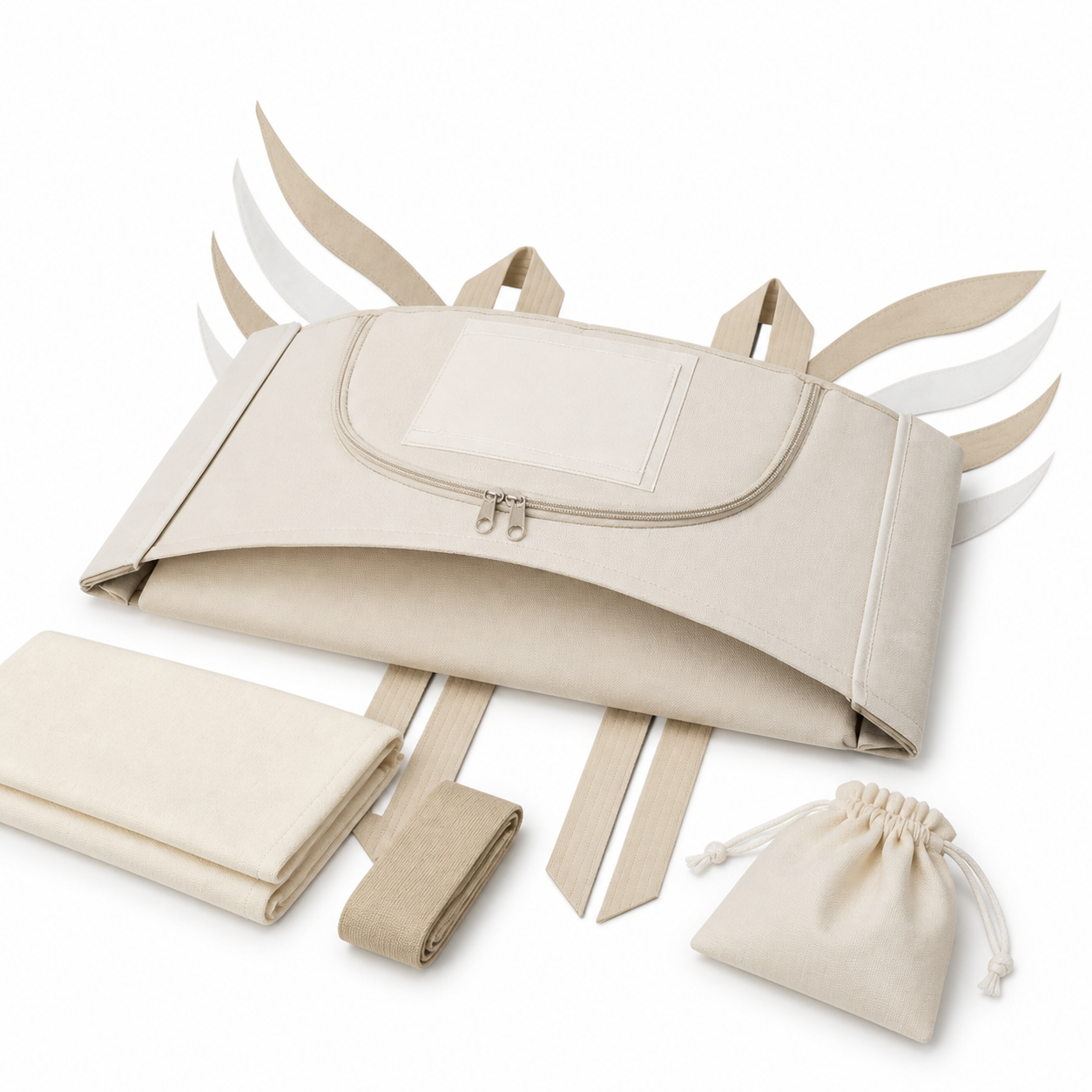
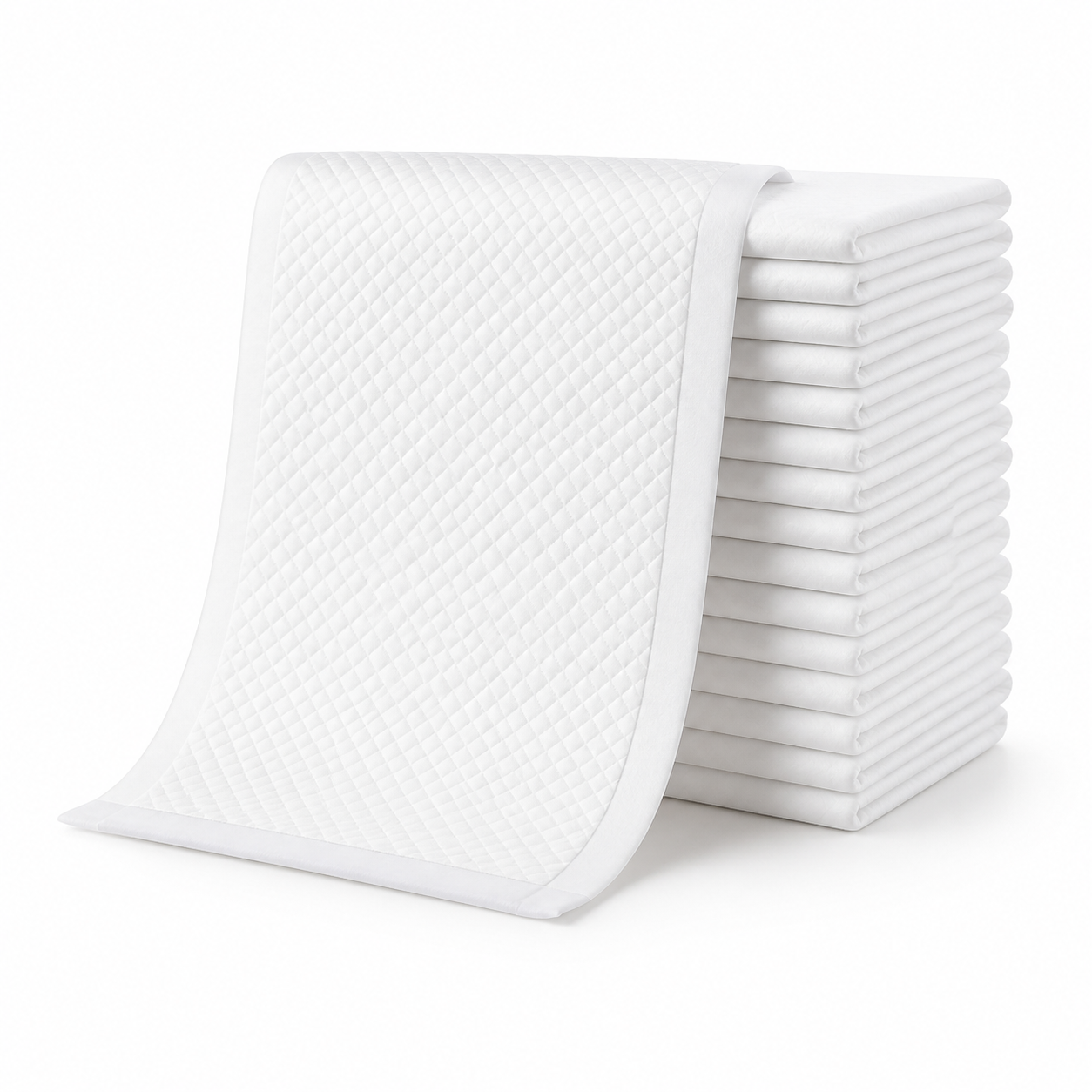
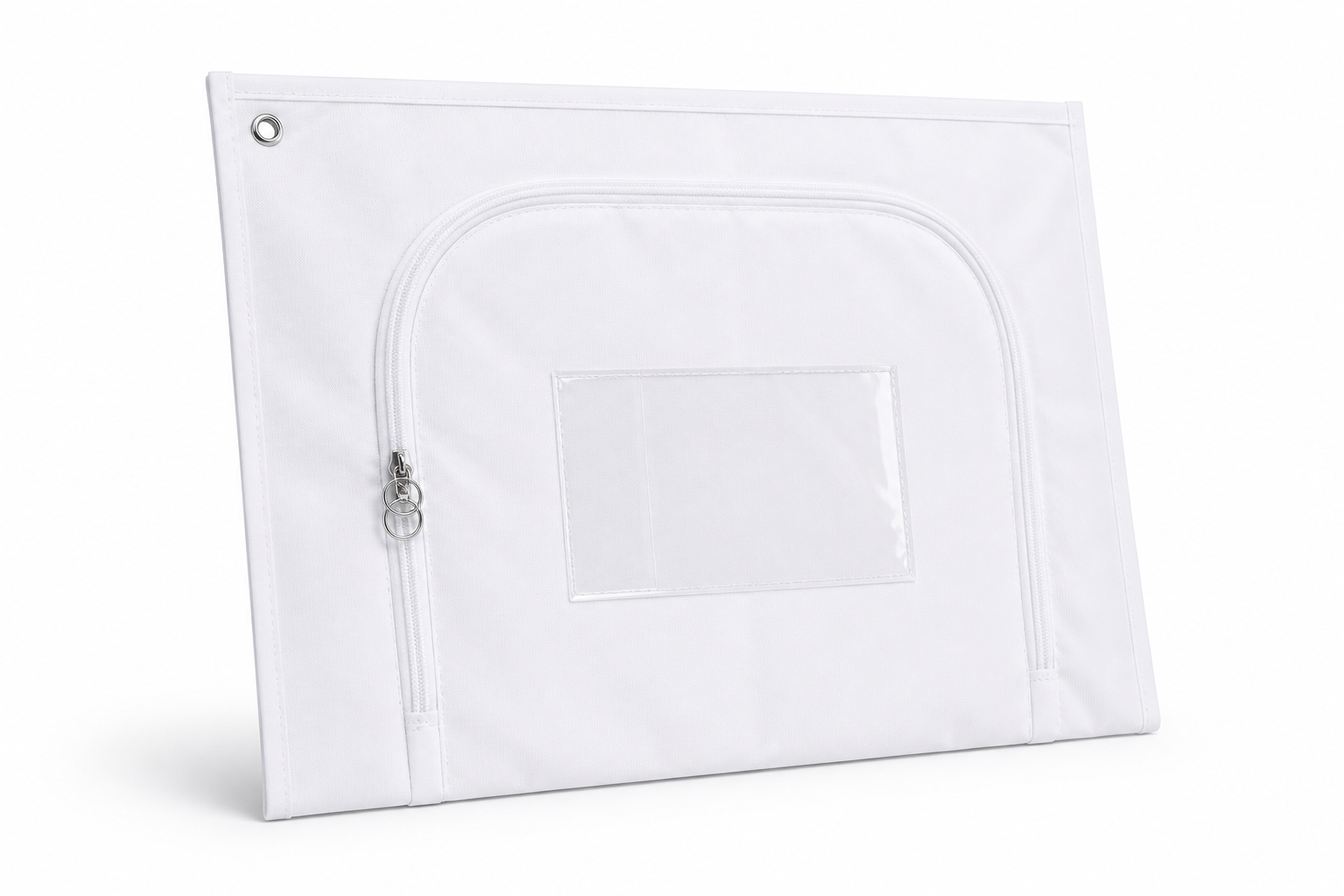
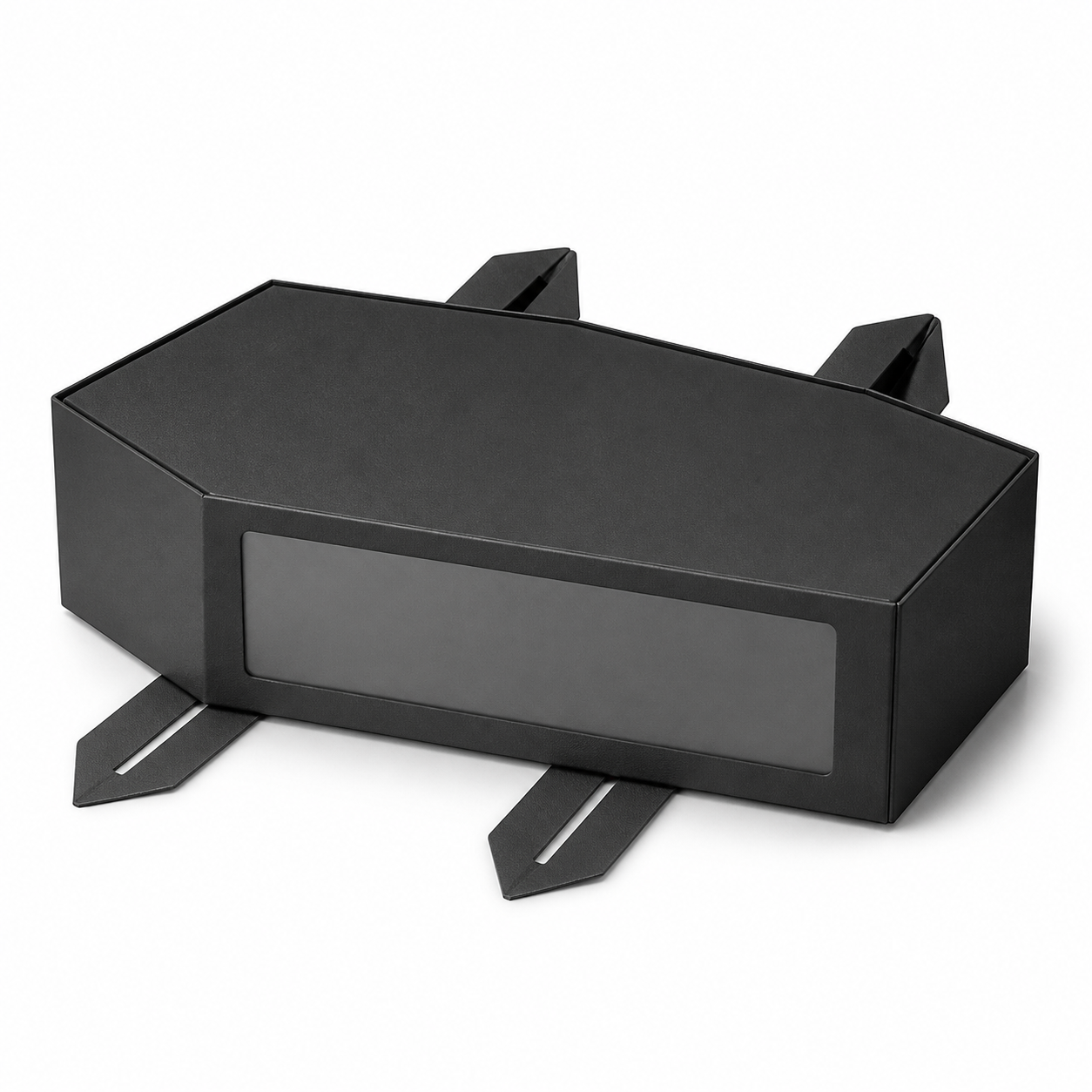
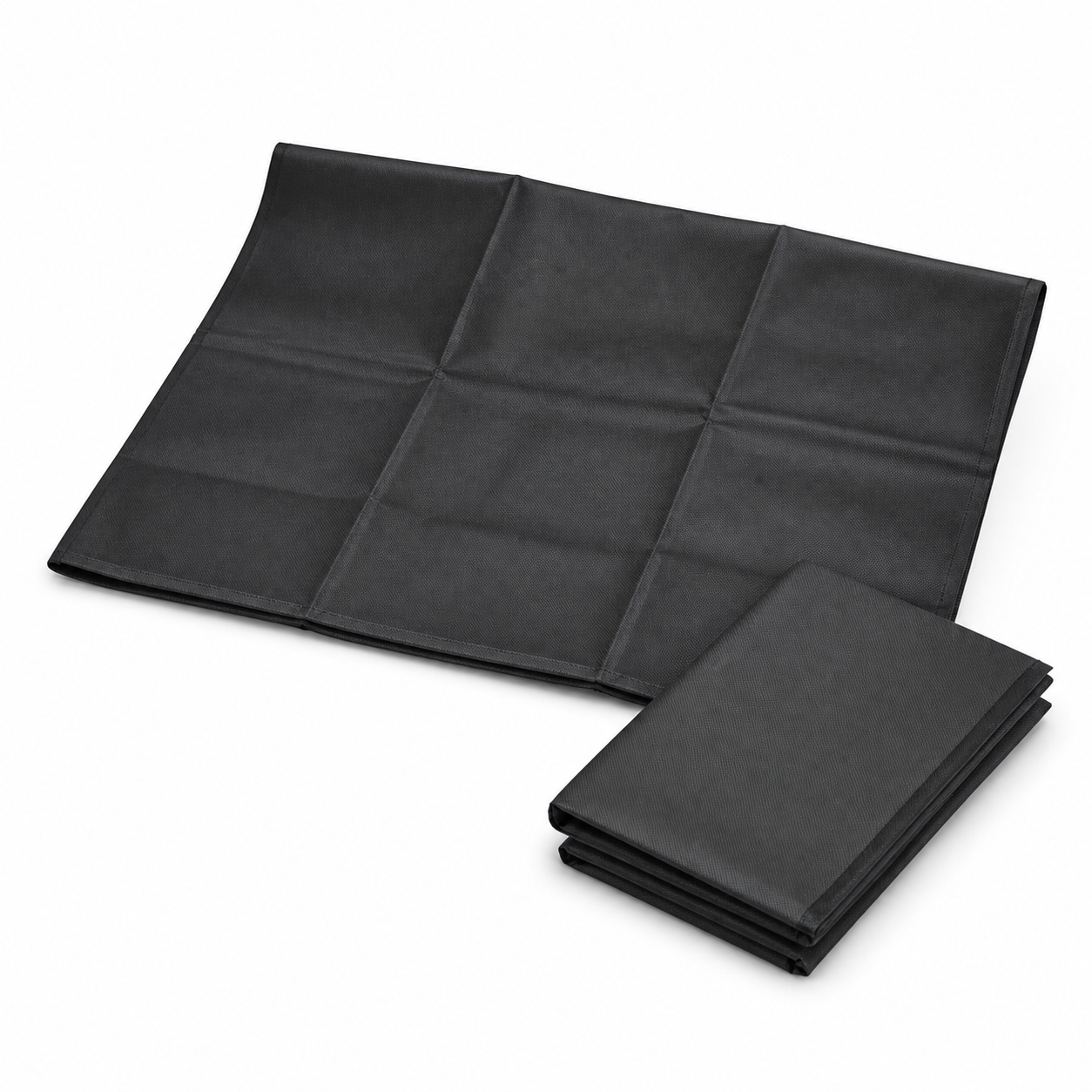
The five-product receiving & transfer kit, ready on the catalogue.
All five products are listed as supplier references with spec sheets and dated images. Open the solution page for the per-product detail.
Open the solution page →