The three questions every ash-recovery spec sheet should answer.
Recovery cloth sits inside the cooler, inside the process record, and inside the closure envelope. A bad cloth causes an irreversible loss of weight. A good cloth causes nothing at all.
- What is the weave count? Anything coarser than 80×80 per inch loses visible ash.
- What is the tensile strength after ash contact? Ash is alkaline and dries the cloth; the cloth must remain intact.
- What labelling sits on the cloth? The cloth carries the case ID. The print must be heat-stable.
The unsexy detail that decides whether ash gets home.
The single biggest cause of returned-ash disputes is not the process. It is the closure on the recovery pouch. If the pouch is a stitched or heat-sealed envelope, the ash stays inside. If it is a stitched-twill drawstring bag, ash escapes the moment the bag is tilted. Always specify a heat-sealed pouch.
The recovery pouch is cheaper than the certificate but more important to the family. Spend the extra dollar per case on the seal.
Ash-handling workflow — what your operator does.
Standard workflow in most modern B2B aftercare services:
- Cool-down complete — chamber temperatures back to ambient.
- Lay the high-temperature process mat inside the chamber deck.
- Lift ash using the recovery cloth. Match the cloth case ID to the disc case ID.
- Seal the cloth into the recovery pouch (heat-seal, not stitched).
- Move to the closure evidence envelope with the disc and the process record sleeve.
Anything that breaks this sequence — ash hidden under the chamber grate, or a printed case ID that rubs off — should be sent back to the supplier as a defect, not normalised.
What to ask the supplier about ash recovery.
- What is the gram weight of one recovery cloth before and after ash contact?
- Is the print heat-stable to the process temperatures you actually run?
- How is the pouch sealed — heat-seal or stitched?
- What is the failure rate per 1,000 pouches in production?
- Is the weave documented in the spec sheet?
Closing position.
The recovery cloth is the cheapest product in the ash recovery stage and the easiest to get wrong. Treat the spec sheet as carefully as the urn spec sheet, even though the unit price is one-fifth.
Products that decide the ash-recovery handoff.
Process materials and sealed urns that match an ash-handover specification.
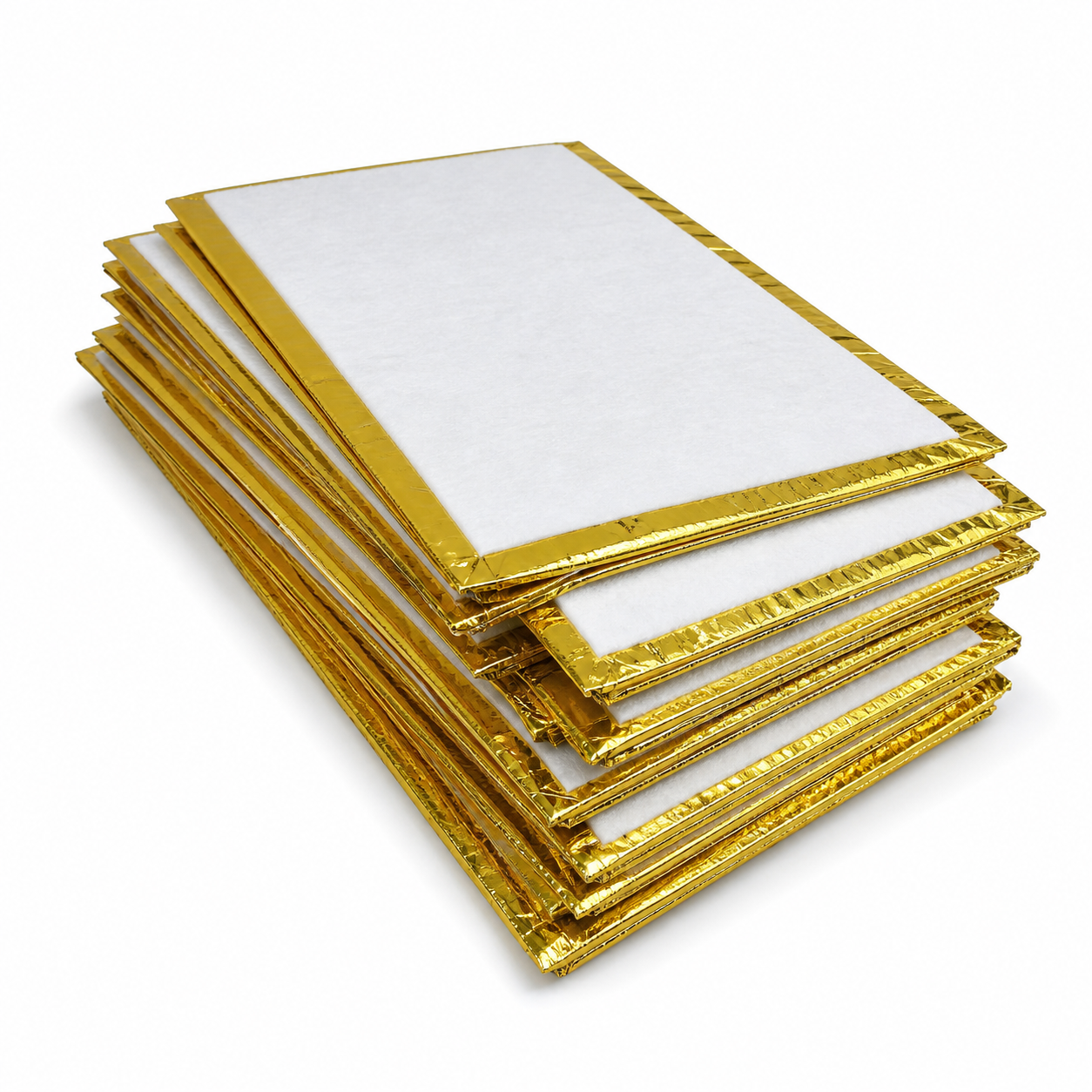
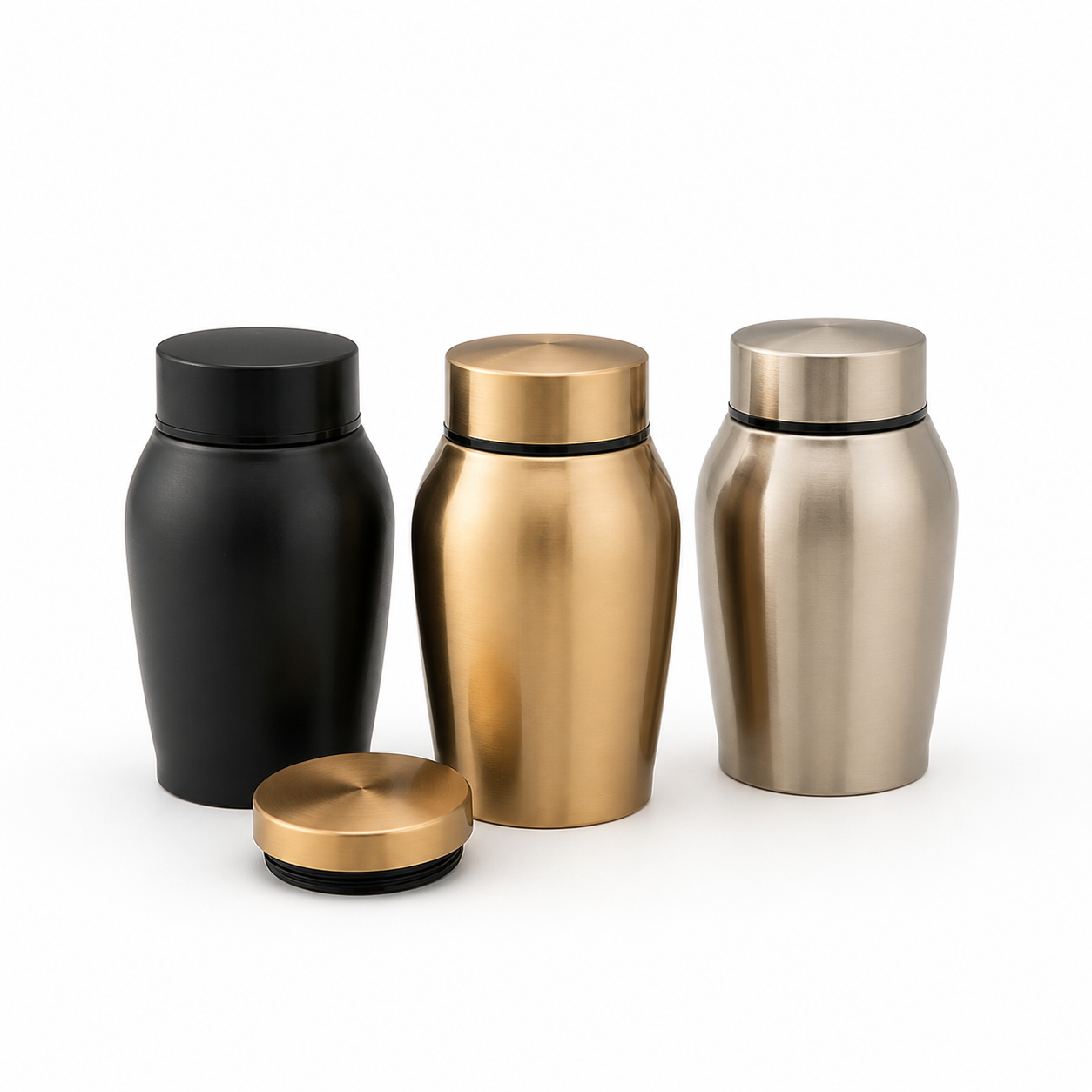
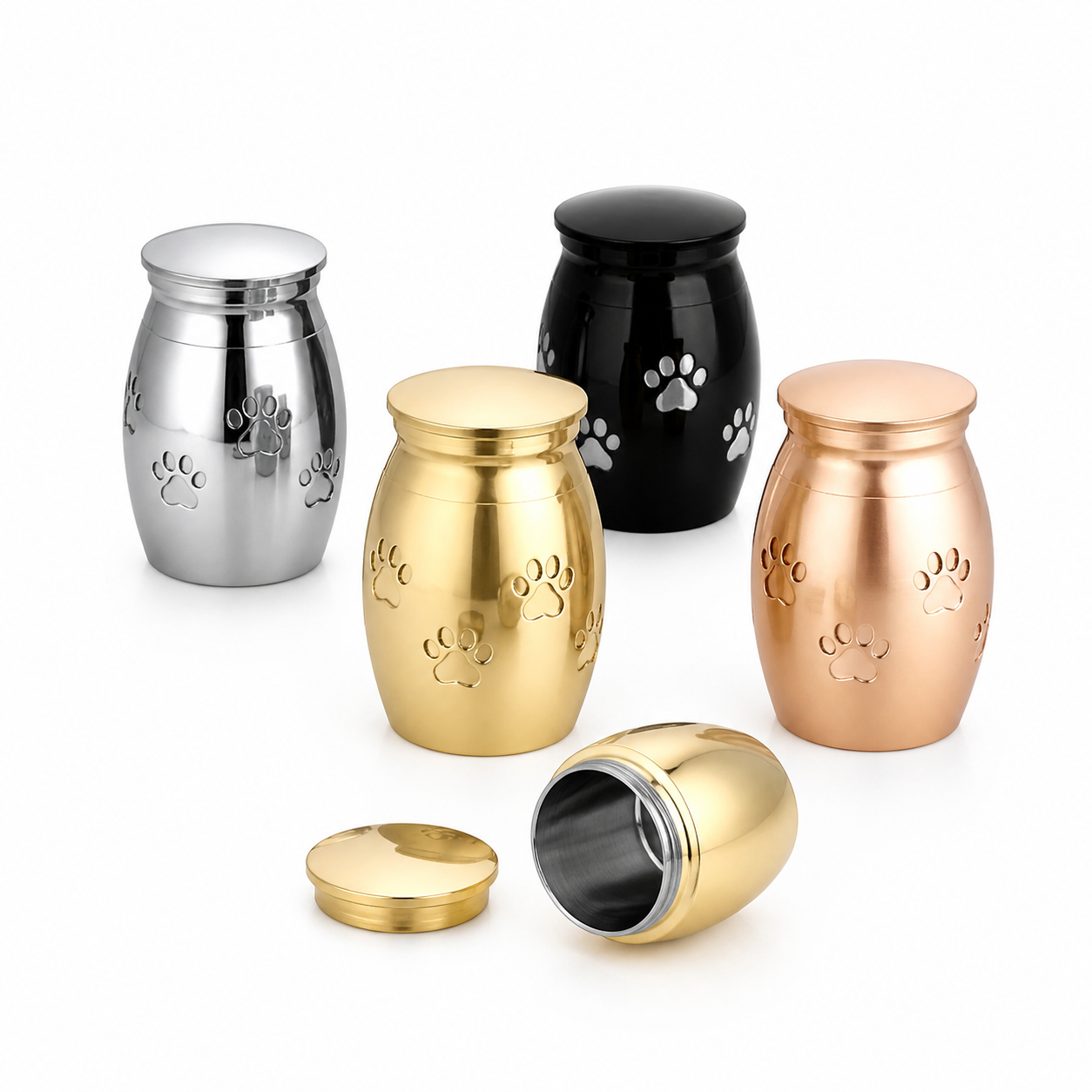
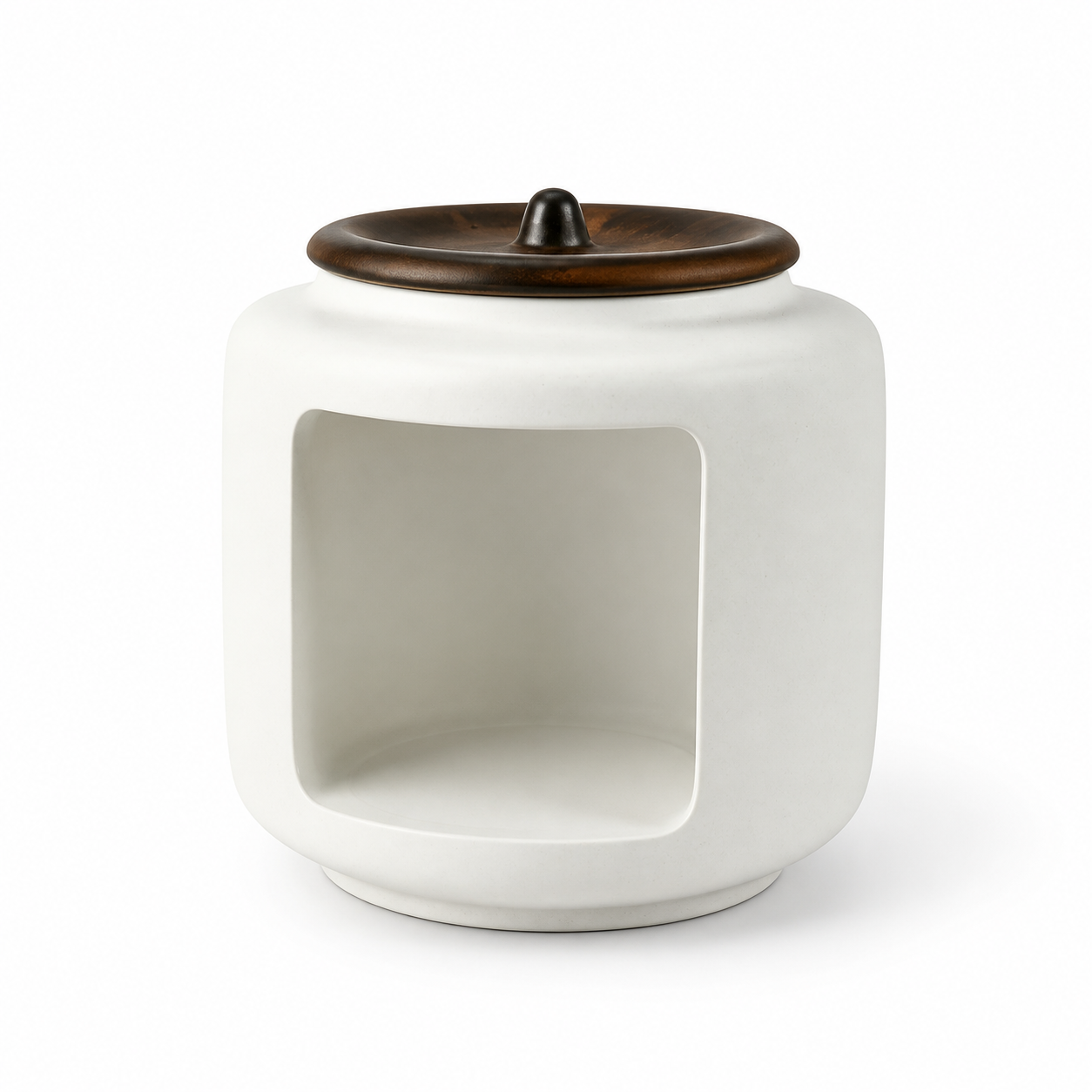

Five-product identity & ash recovery system on the catalogue.
Each product links to a spec sheet and a process slot. Open the solution page for the per-product detail.
Open the identity & ash recovery page →