What water cremation actually is.
Alkaline hydrolysis (often called water cremation or aquamation) uses a heated water solution and an alkaline agent to reduce organic remains to bone fragments and a sterile liquid. The bone fragments are processed into ash-like powder using the same equipment as fire cremation. The liquid effluent is filtered, neutralised and discharged to drain in compliance with local regulations.
What changes for the B2B buyer.
If you are buying equipment or consumables for a water cremation switch, the buyer’s checklist is meaningfully different from a fire cremation setup.
- Consumables: alkaline solution, water pre-treatment salts, replacement filters. Not fuel.
- Power: significant electrical load — a 250-litre system is closer to a commercial laundry than a fire cremation unit.
- Effluent: drain connection is critical, with pre-treatment tank and capacity planning.
- Time: a single cycle is longer than fire cremation for the same companion weight, but capacity is recovered differently.
- Permits: a separate effluent permit is almost always required.
What does not change.
The case identity, the case record folder, the recovery workflow, the certificate folder, and the family return product mix all remain the same. The case ID travels through the process unchanged, the recovery pouch still seals the bone fragments, and the certificate is identical to the family.
A consumables list you will need from month one.
- Alkaline solution (potassium-based usually), in the size matching your cycle volume.
- Replacement filtration set, monthly swap.
- pH neutralisation salts for the effluent pre-treatment.
- Drain-line maintenance kit (enzymatic) on a quarterly cadence.
- Calibration standard for the chamber thermometer (annual).
The honest pros and cons — buyer view.
Pro. Lower direct emissions. Lower noise. A narrative some families actively request.
Pro. The bone fragment to ash-powder step reuses existing equipment and existing operator training.
Con. Higher upfront equipment cost than a basic fire cremation unit, and a meaningful installation plan.
Con. Permitting is its own workstream. Do not assume your fire cremation permit transfers.
Closing thought.
If a supplier offers both fire and water cremation equipment, they are better placed to walk you through the switch without overselling either side. Avoid suppliers who only sell water cremation — they will not be useful when you need fire-consumable references in a year’s time.
Products that pair with a water-cremation process.
Process materials and sealed containers aligned to aqueous systems.
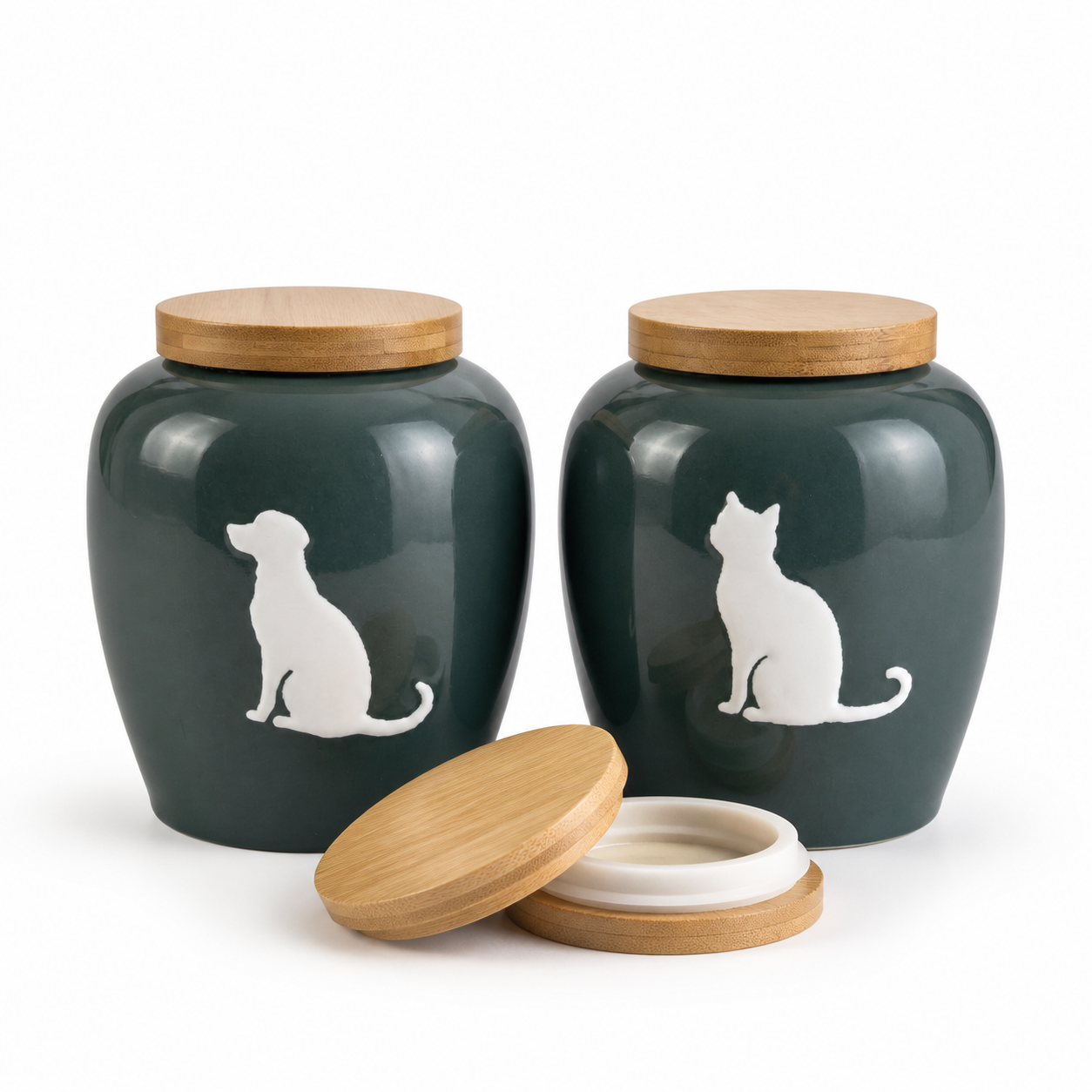

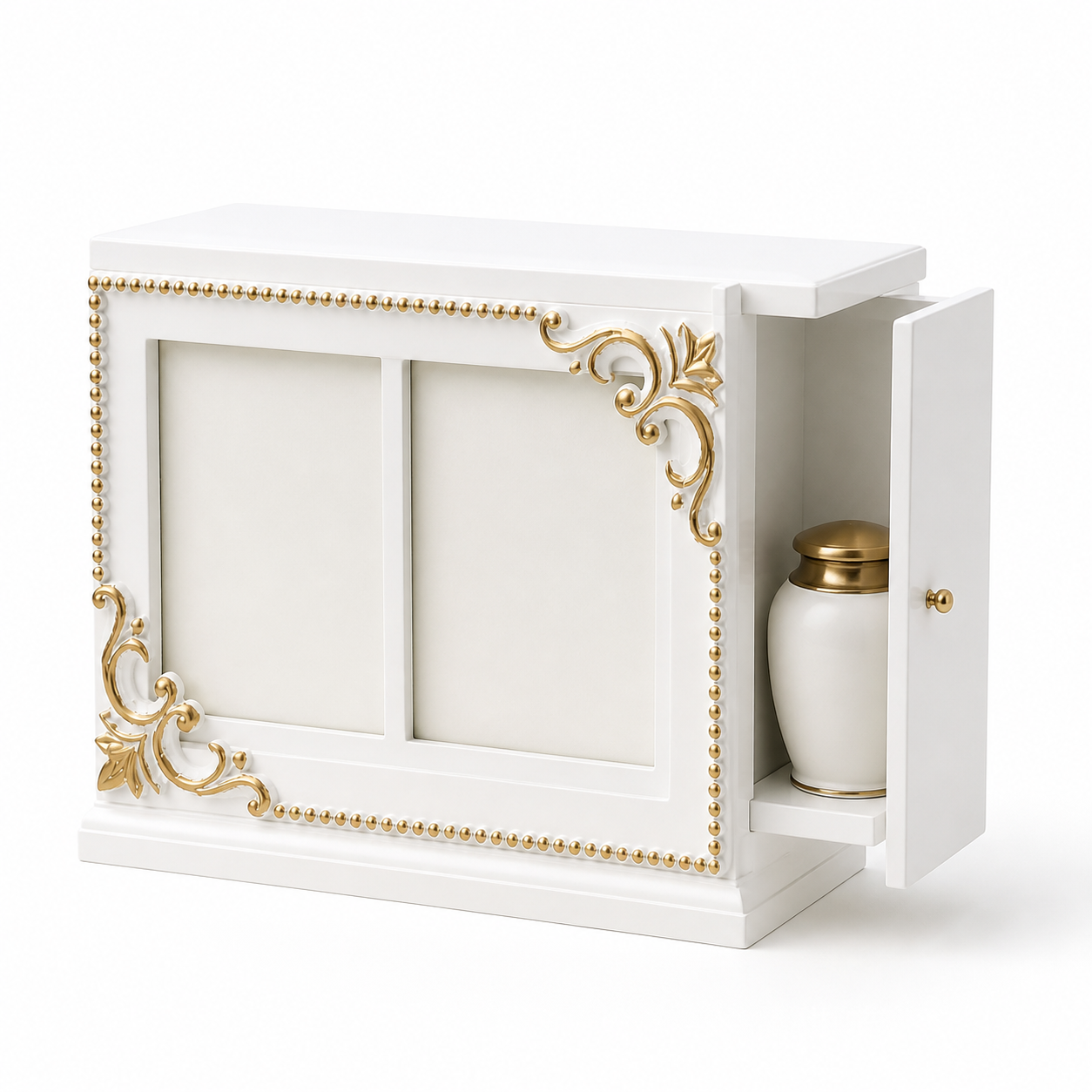
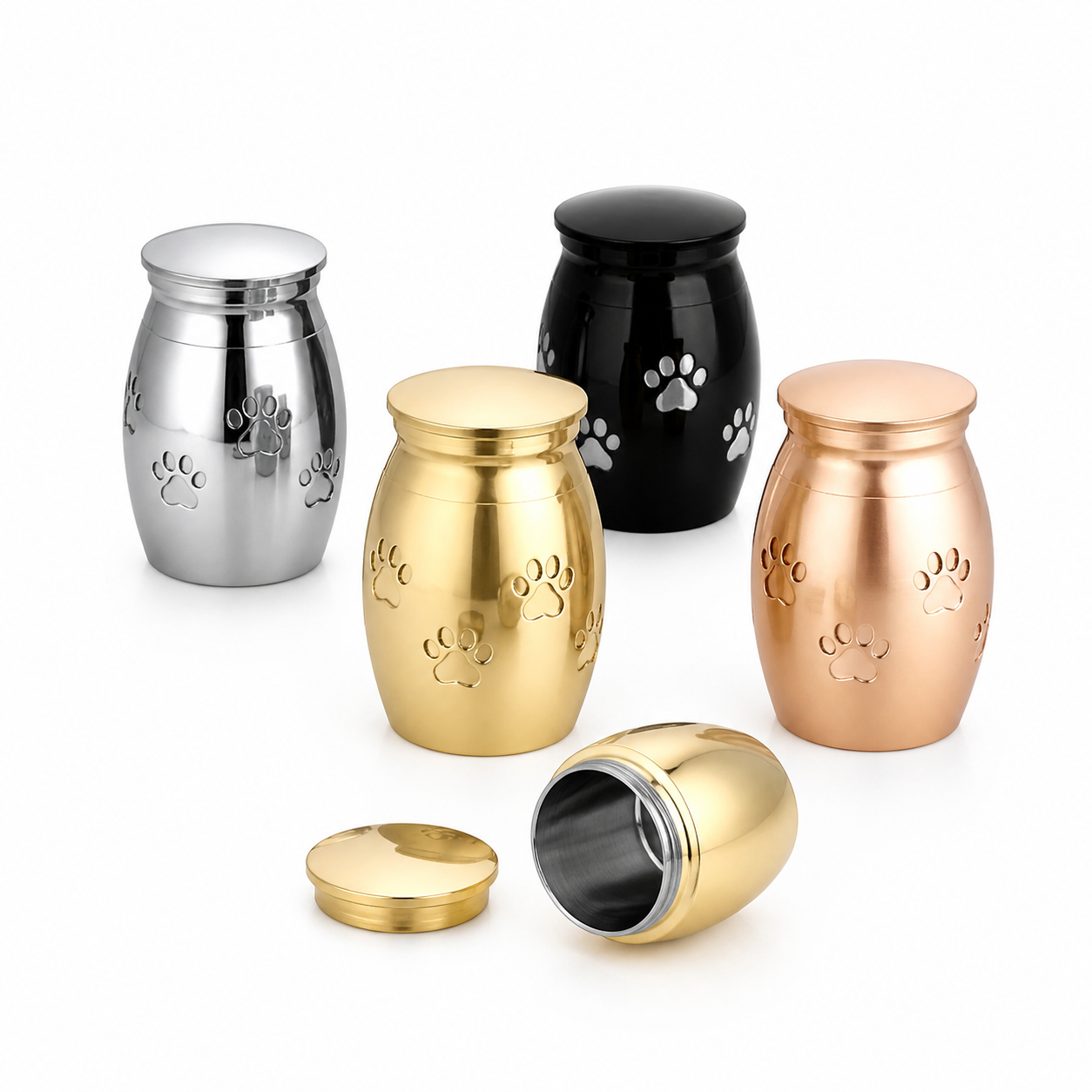
Fire and water cremation records on the supplier workspace.
Workspace is structured so you can compare per-model records before any contract — resale only.
Open the equipment workspace →