What counts as evidence.
In B2B pet aftercare procurement, the phrase “supplier evidence” can mean anything. It means almost nothing unless it can answer three questions: who issued it, when, and against which version of the product. A supplier evidence pack that doesn’t answer those three questions is a marketing document.
Reading the spec sheet like a forensic reviewer.
The most common forged item in pet aftercare supply is a recycled specification sheet. You’ll see weights that don’t match the listed dimensions, certifications with no expiration, and tolerances that aren’t printed but reused. Ask the supplier for the factory’s own sheet, dated and stamped. A factory sheet will have a handwritten batch or a digital signature. A recycled one will look cleaner.
Three things to check in 90 seconds
- The specimen product image on the sheet is the same as the production product (look at seams, not just silhouette).
- The dimension tolerance is written, not paraphrased.
- The certification name matches the country of the certifying body.
Imagery red flags in catalogue PDFs.
Stock photography is the single most common evidence shortcut. Buyers frequently send us a supplier’s product sheet featuring a wood urn sitting on a table with a plant in the background — with no batch ID, no scale, no seam close-up. A real wood urn shot has shadows, dust on the wood oil, and rough spots around the lid. Stock rendering looks smooth because it was generated on a screen.
If the photo has a watermark in the centre of the image it is, by definition, a marketing asset. Ask for the unwatermarked version before you place an order.
Certification traps in pet aftercare supply.
Three certifications appear constantly in this category: compostable, food-contact-safe, and biodegradable. They are not interchangeable.
- Compostable: must be tested against an industrial composting standard, with a defined disintegration timeline.
- Biodegradable: means “breaks down eventually” — a much weaker claim that needs no standard.
- Food-contact-safe: means tested against a food-contact standard and has a different scope altogether.
If your aftercare service is advertising a “compostable bag” on the certificate folder, request the underlying compostable test — not a biodegradable letter. Suppliers who are honest will provide it. Suppliers who are not will offer a softer wording.
The three-step check before you sign.
- Reverse-image the supplier’s catalogue images (Google Lens is fine). If they appear on a third-party marketplace at a lower price, the catalogue is borrowed.
- Ask for a sample unrelated to a current promotion. Promotional samples are easy; non-promotional samples reveal consistency.
- Request one complete shipment record — not an excerpt. The shipment record lists weights, dates, marks. Without that, you don’t have evidence.
A short defensive checklist for your next supplier call.
- Five-item evidence pack requested in writing (use the list above).
- One reverse-image search on every catalogue product image.
- One oral question about what the supplier cannot do.
- One written answer about the substitution policy.
- A short follow-up email the next day confirming what was said.
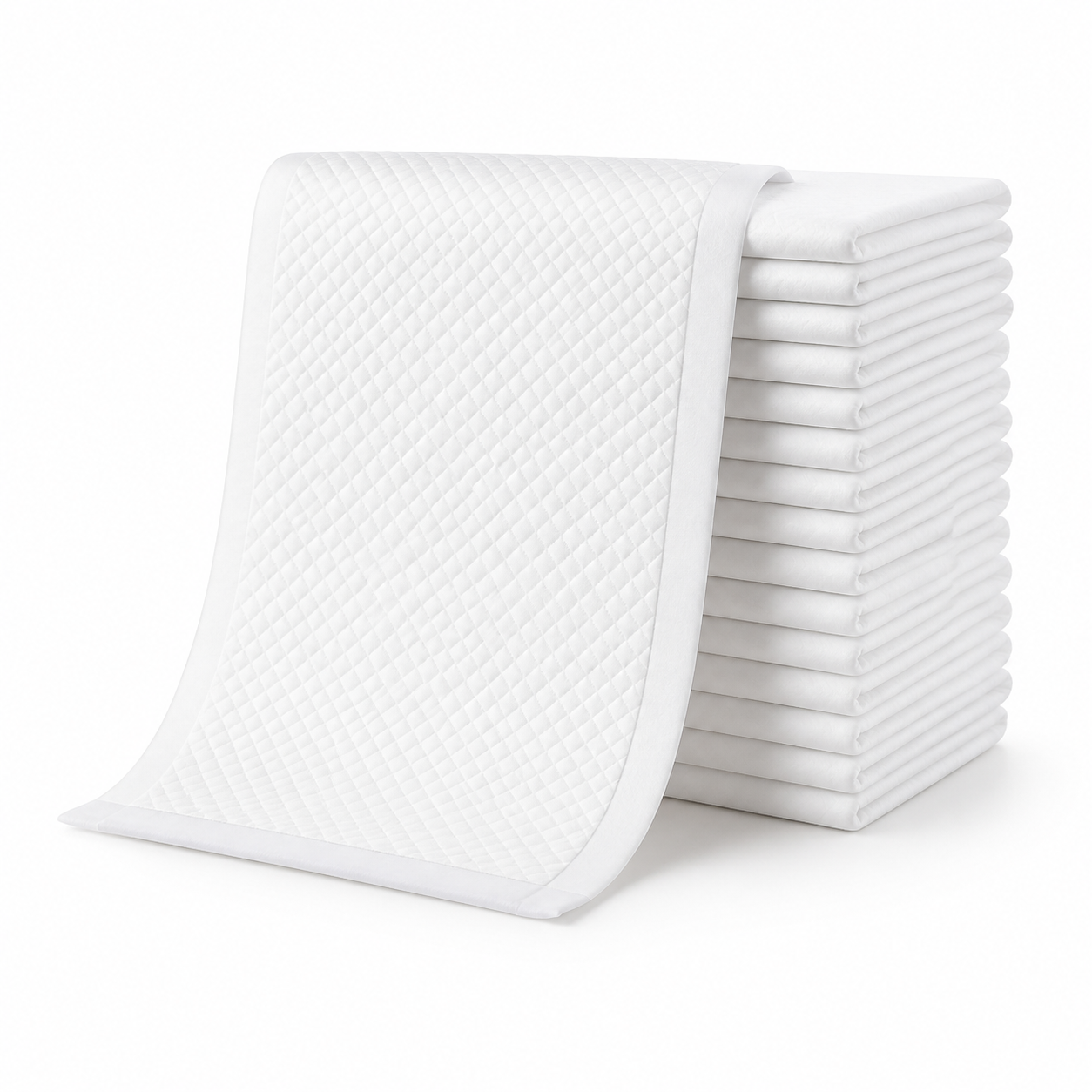
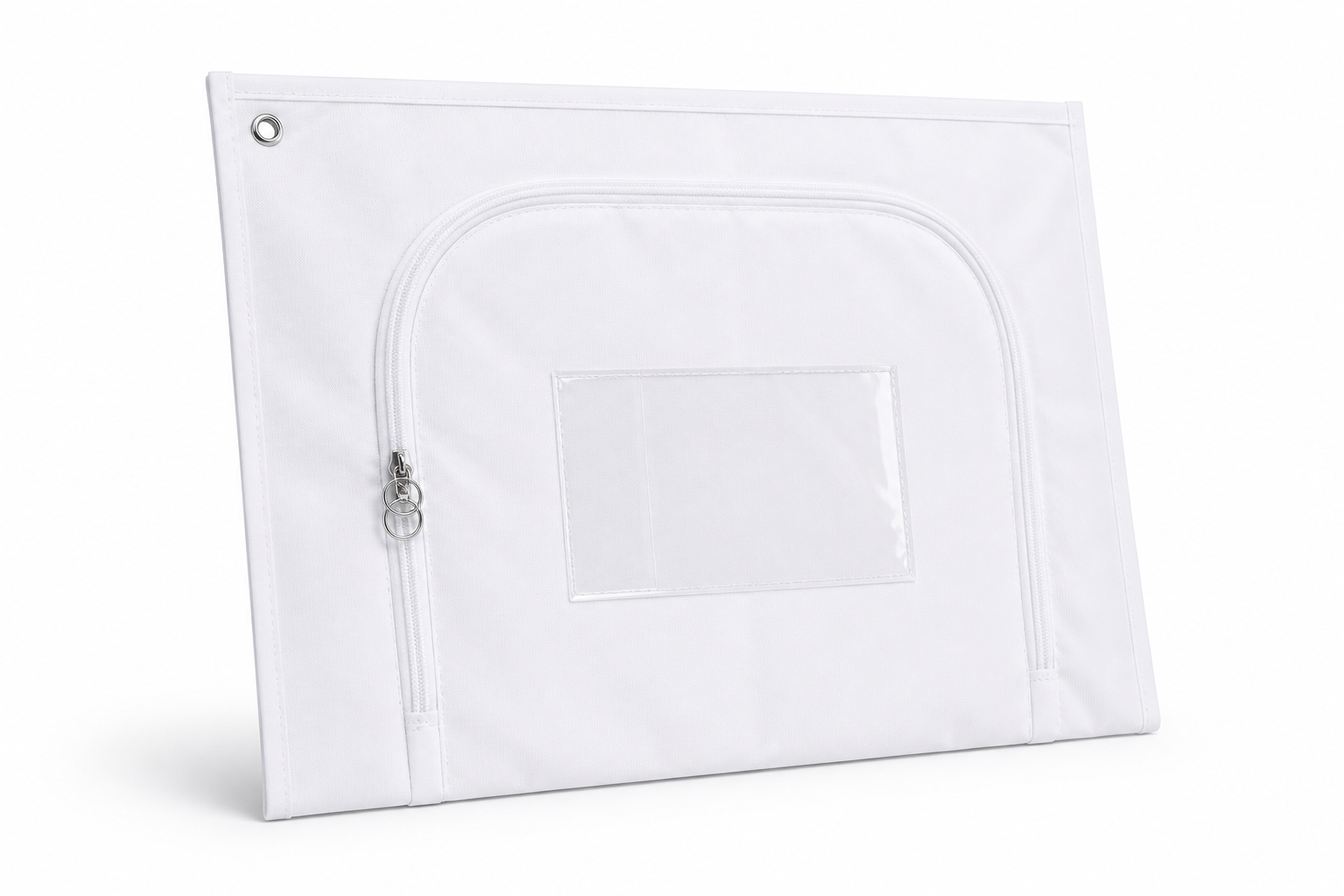
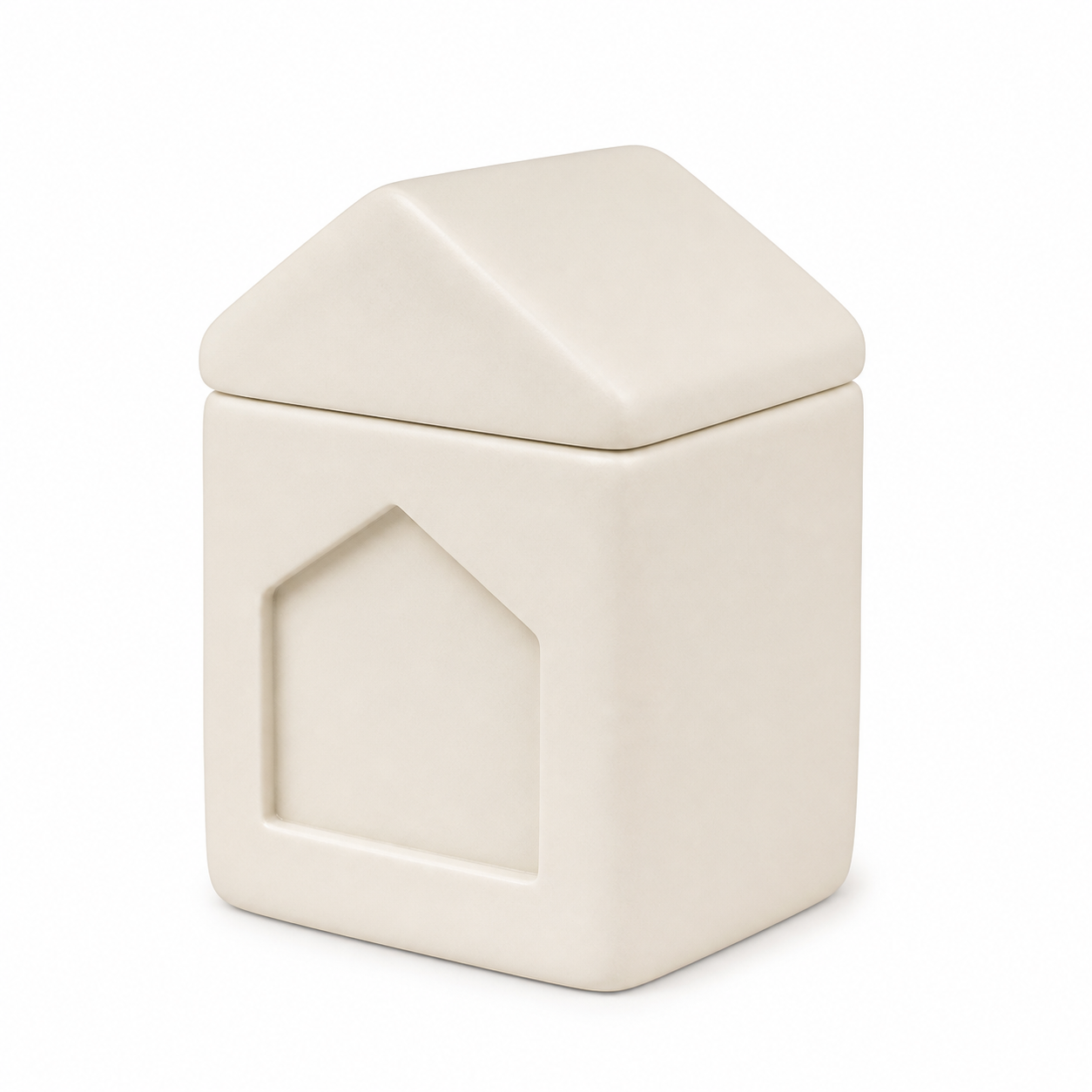
Products most often used in supplier evidence tests.
Where claims are most easily checked against a real product sample.


Petorvi supplies an evidence pack with every quote.
Spec sheets, dated factory stamps, image close-ups — and a written substitution policy before you sign.
Request an evidence pack →