The two routes, in plain English.
OEM — Original Equipment Manufacturing. You bring the design and the brand; the supplier makes it. The supplier owns the production line; you own the brand. Tooling can be yours or the supplier’s — the contract decides.
ODM — Original Design Manufacturing. The supplier brings the design; you customise the brand on top. The supplier owns the design and usually the tooling. You own the brand and a non-exclusive right to that design.
Most B2B aftercare services think they need ODM. Most actually need OEM on top of an existing reference product. The two routes are different in cost and different in defensibility.
A simple decision tree.
- Can you describe the design you want in detail (with or without a sketch)? If yes — you are an OEM buyer.
- Are you happy with the supplier’s catalogue design and just want your brand on it? If yes — you are an ODM buyer (or a Private Label buyer, which is ODM in disguise).
- Are you describing a brand new product (a keepsake no one currently makes)? That is a true ODM project, and the cheapest supplier-friendly route is rarely the best route.
Which route fits which pet memorial product.
- Print on a kraft folder or certificate folder: OEM. The supplier owns the print; you own the artwork.
- Engraving on a stainless disc: OEM. The disc is a known product; your engraving is the difference.
- A wooden urn with a new finish or shape: ODM. Discuss tooling ownership up front.
- A new keepsake concept (e.g. a wall-mounted memory shelf): ODM, but consider joint development.
Tooling ownership.
On any ODM project, ask whether the tooling is yours or the supplier’s. Supplier-owned tooling is cheaper up front and dangerous long-term — if the supplier changes direction, your product is gone. Your tooling is more expensive up front but it is portable to a second supplier in 30–60 days.
What to negotiate
The contract terms that matter on tooling ownership: who owns the mould when production ends; what the handover package contains; what the supplier is allowed to sell from that mould if you leave.
The buyer’s decision checklist.
- Do I have a design? If yes — OEM.
- If no — am I happy with the supplier’s reference? ODM/Private Label.
- Who owns the tooling?
- What is the re-tool cost at a second supplier if I move?
- What is the contract length and notice period?
Products where OEM and ODM decisions diverge.
Catalogue, branded and developed products side by side for comparison.
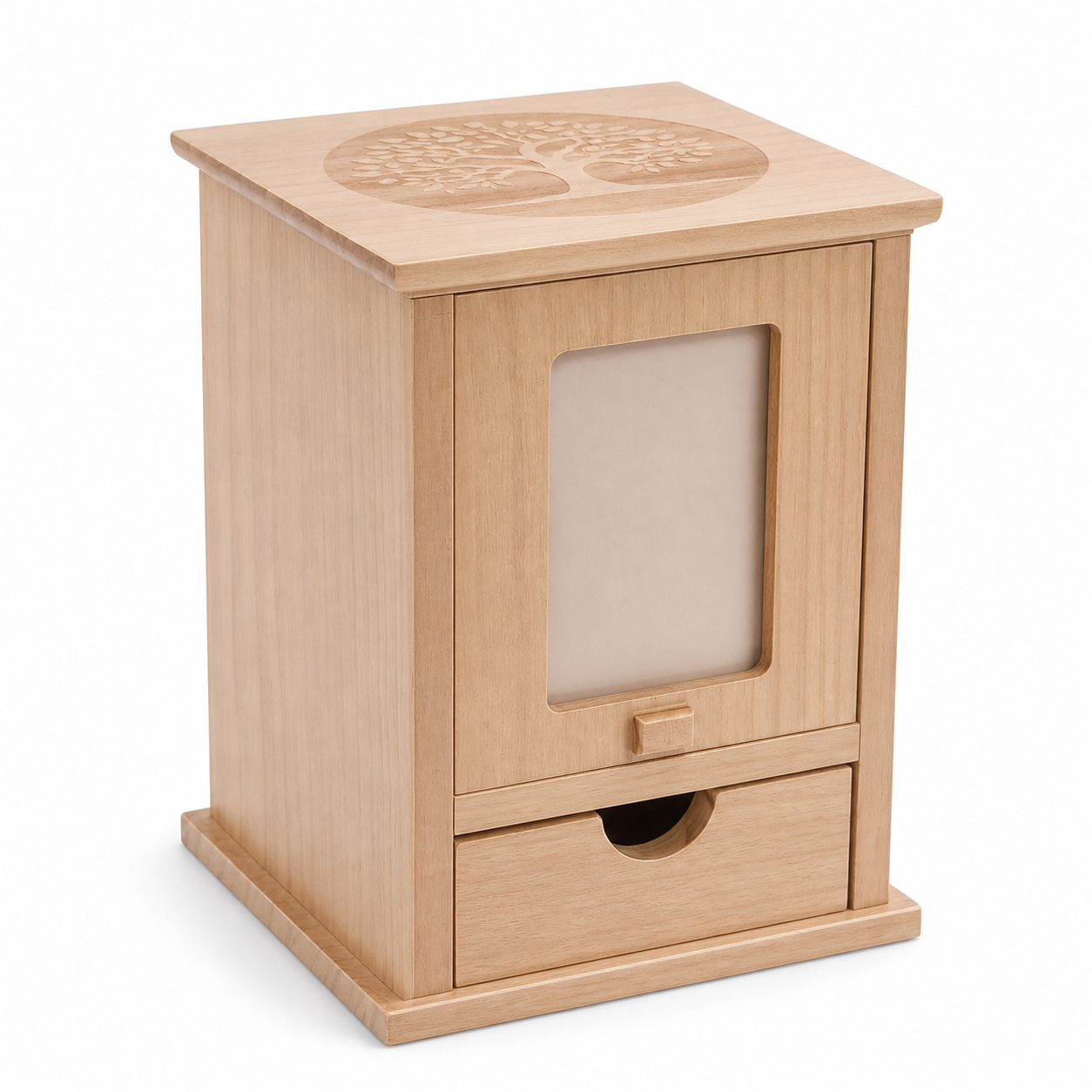
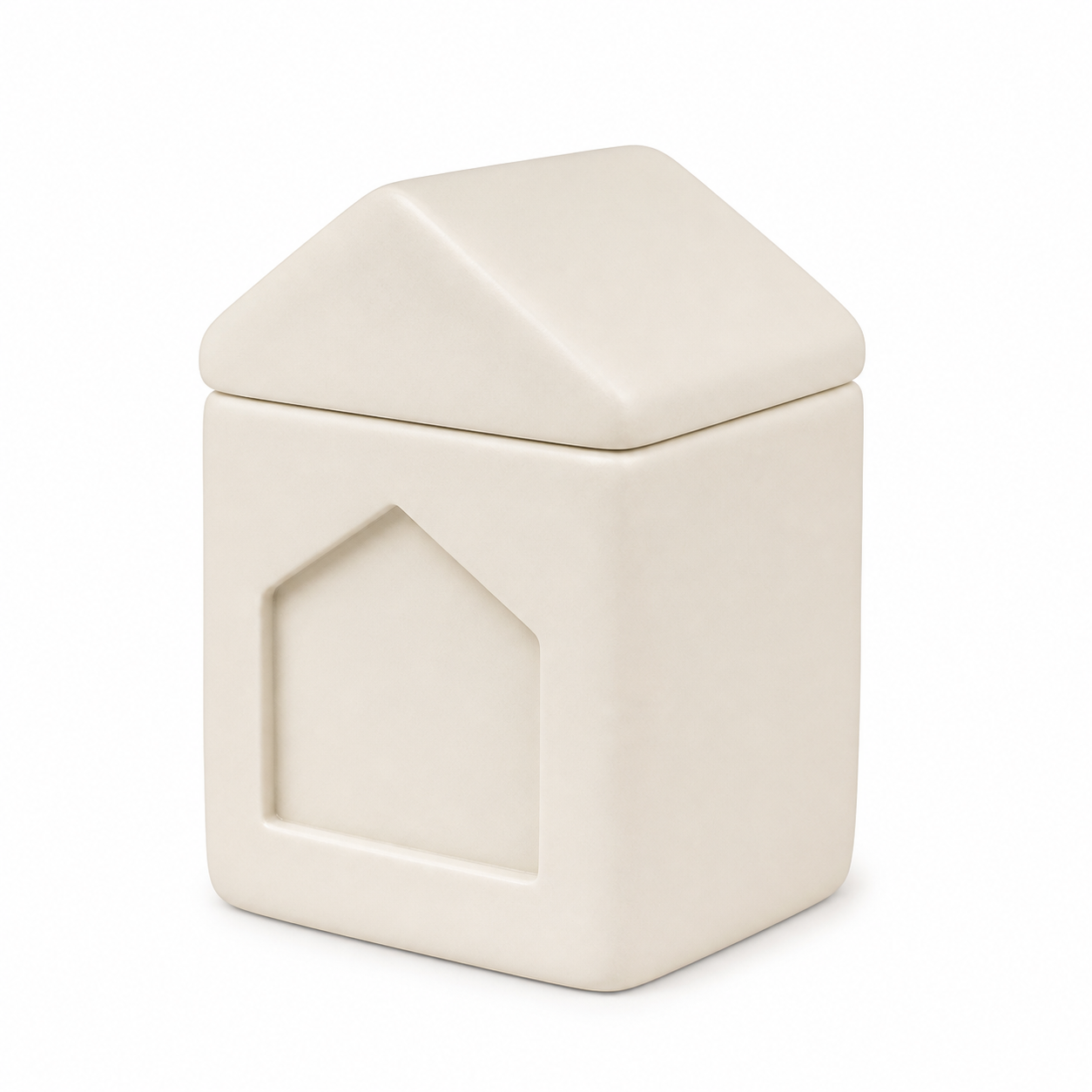
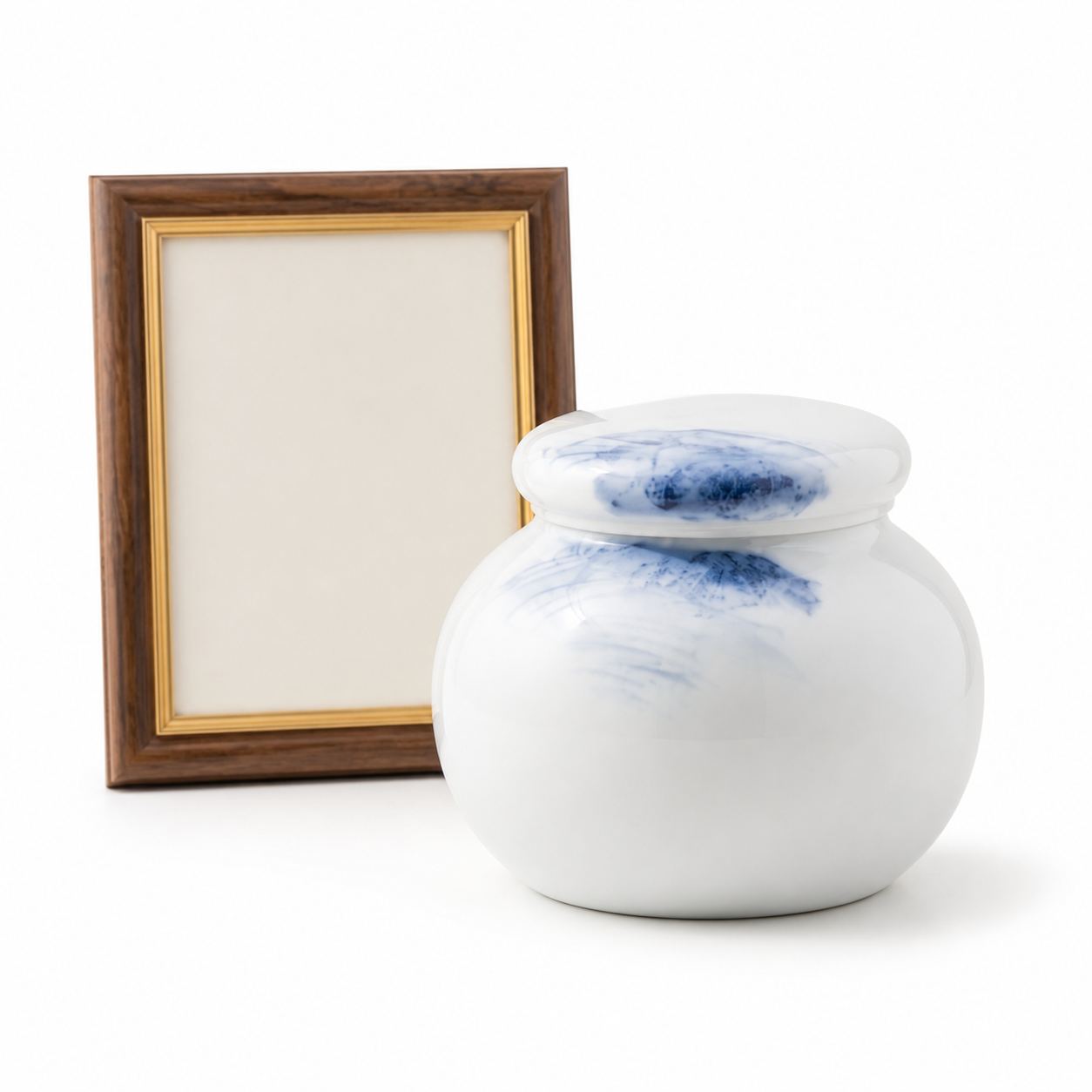
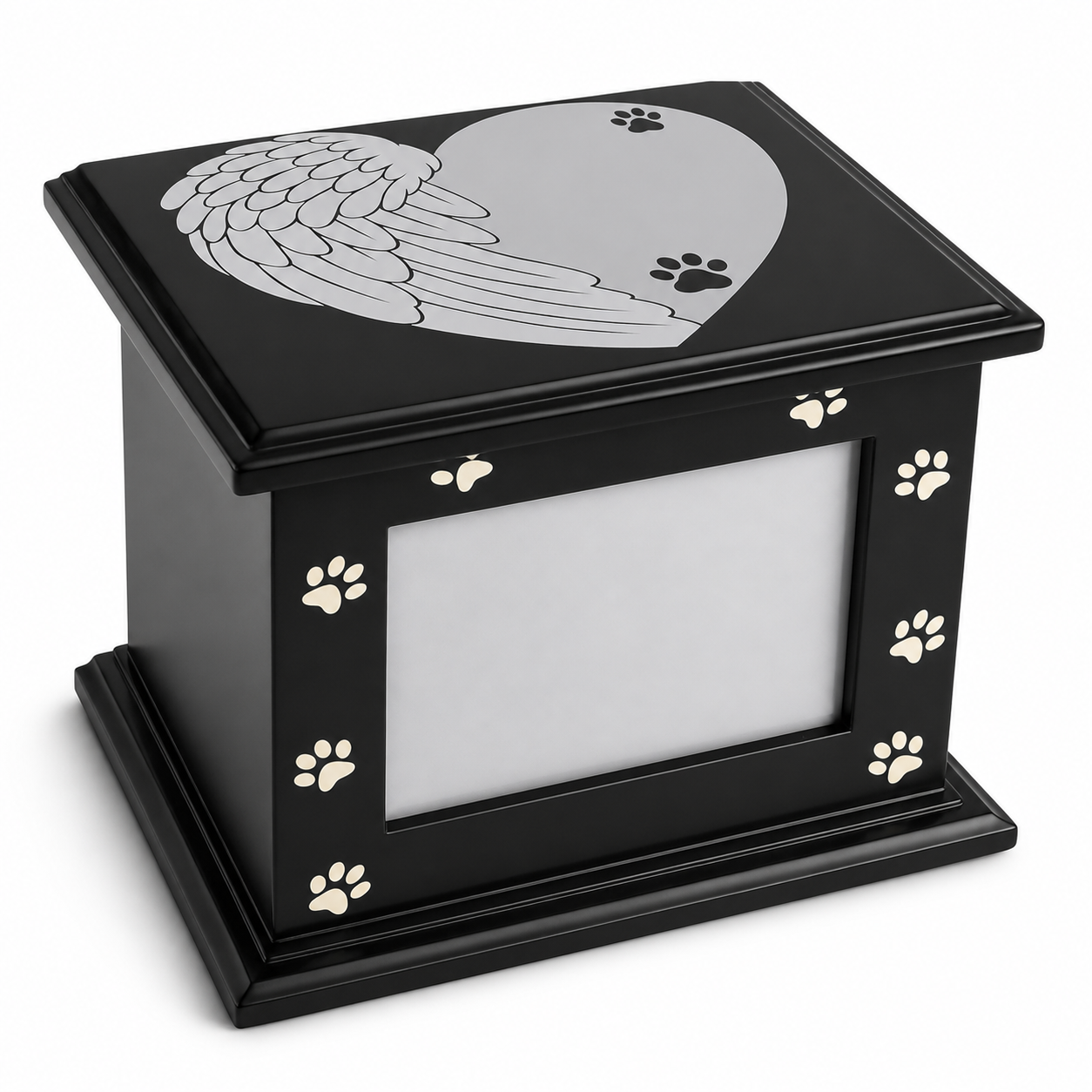
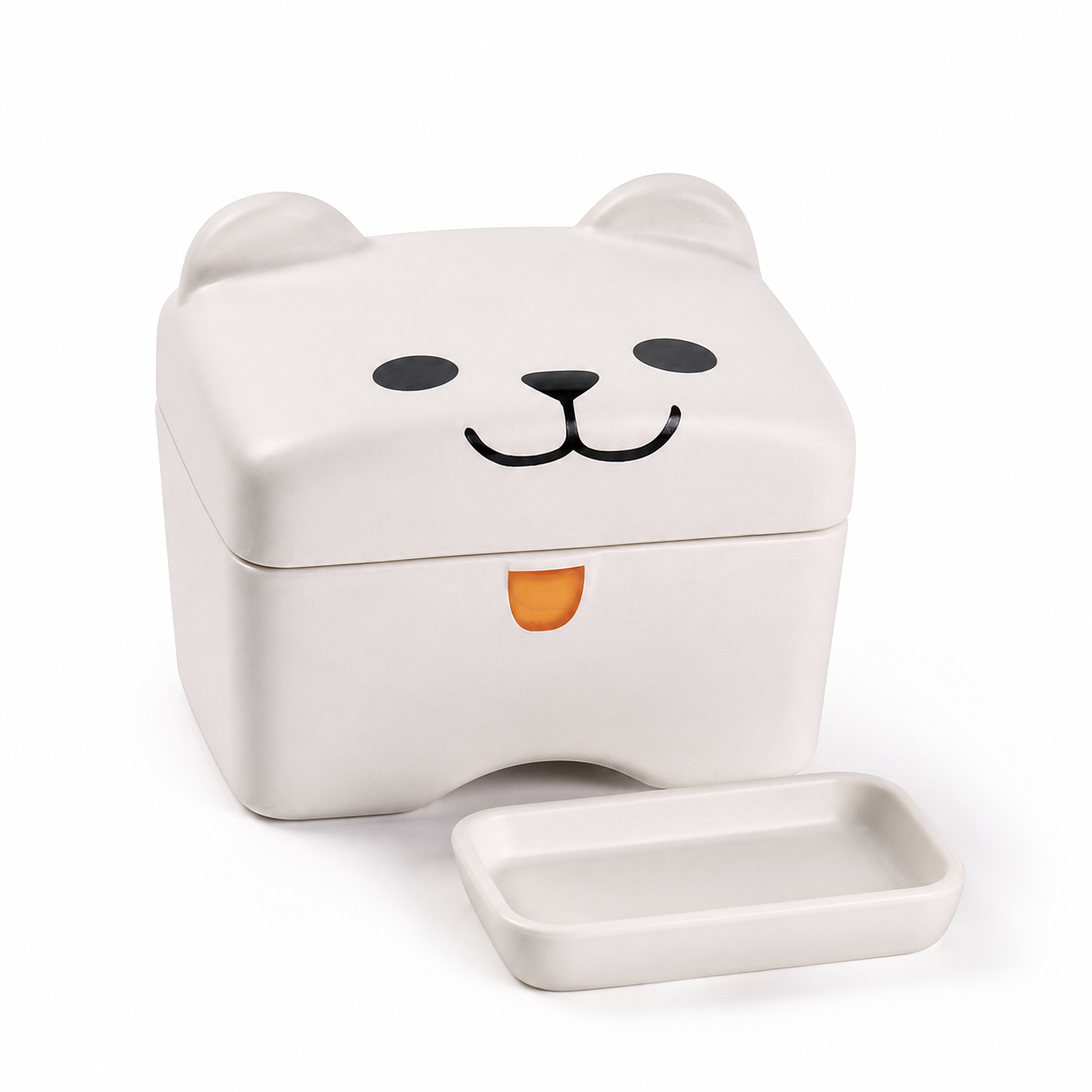
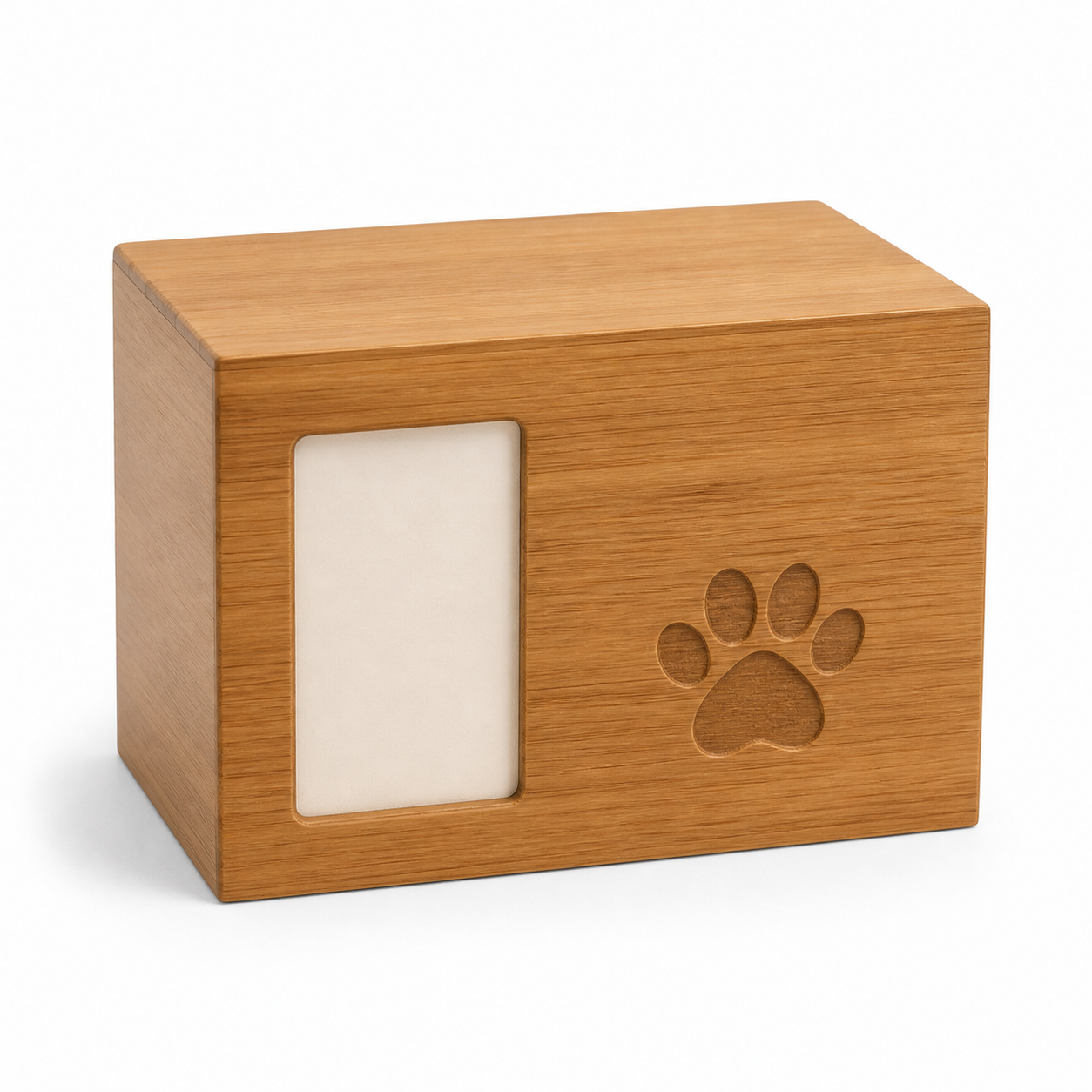
Most B2B aftercare services start with Private Label.
Send us the catalogue products you want under your brand — we will tell you which are OEM, which are ODM, and which are joint development.
Open the Private Label page →