1. Write the brief before you write the inquiry.
The single biggest cause of bad supplier relationships in pet aftercare is a vague opening brief. A vague brief invites vague answers, and vague answers take months to disprove. Spend an afternoon writing what you actually need first — then send it to three suppliers at the same time.
The four sections every B2B aftercare brief needs
- The service stages you support. Receiving & transfer only, identity & process only, full service, or only family return. The supplier need only stock what you actually buy.
- The volumes per month, with a low and a high band. Suppliers behave differently at 50 units per month and at 1,500.
- The packaging constraints. Minimum print run, language on the certificate, shipping marks, and what the family will see on the outside.
- The minimum evidence you will accept. Anything the supplier can’t confirm in writing should not enter your catalogue.
2. What to ask for as evidence — and how to read it.
Every claim a pet aftercare product supplier makes is testable. The two failure modes we see most often are imagery (stock photography, mocked-up renders) and specifications (numbers copied from a competitor, certifications that expired). The check list below takes about 90 minutes per supplier if you read it carefully.
The five-item evidence pack
- A real photo of the product, not a render. Look for shadows, hand scale, dust on the surface.
- The spec sheet from the actual factory, with a date, batch code or QC stamp.
- One piece of compliance documentation for the most-asked-about standard (e.g. compostable certification, capacity standard, emissions test).
- One previous shipment record — not necessarily to you, but the kind of record that proves the supplier has shipped at your volumes before.
- A written answer to one question that probes the claim. For a “composter-friendly” bag the answer should name the certification body.
3. The four supplier signals that matter — beyond the price.
Two suppliers can quote the same price and be entirely different in cost of ownership. The four signals that predict a healthy ongoing relationship are:
Response cadence. The supplier answers a brief within a week, asks the questions you forgot to ask, and writes the answers in your time zone. If they are slow on inquiry they will be slower on delivery.
Constraint disclosure. The supplier tells you up-front what they cannot do. Vague yes-answers hide capacity limits.
Substitution policy. The supplier explains what happens if a fabric, a colour or a component is out of stock mid-run. A bad policy ends in a panicked re-purchase.
Where the margin is. Suppliers confident in their work tell you roughly where the cost sits. Suppliers hiding the cost are usually hiding risk.
4. The minimum a B2B contract should cover.
You do not need a 60-page supply agreement at first order. You do need six clauses written in plain language: order confirmation timing, product changes notice period, freight terms (Incoterm), defect handling, country-of-origin for the certificate folder, and the path back to the supplier for a quality claim. Everything else can be added as volume rises.
The order confirmation timing that protects you
Insist on a written confirmation within five business days from order. Suppliers who cannot commit to written confirmations will not commit to written delivery dates either.
5. How Private Label and OEM fit into supplier choice.
Most B2B aftercare buyers start with catalogue products, then add Private Label once a baseline is in place. The supplier who lets you start in catalogue and graduate to Private Label is a different supplier from one who only sells Private Label from day one. Resist the latter — you will over-buy before you know what your service actually needs.
If you are planning a Private Label move inside the first year, raise it in the inquiry: ask whether the supplier owns the tooling (so you can switch later) or subcontracts it (so you cannot).
6. The closing checklist.
- Three suppliers contacted with the same brief, same day.
- Five-item evidence pack requested from each, in writing.
- One 30-minute call with the most-promising supplier before you order.
- First order sized to one month of expected demand — never three.
- A written defect policy that names a human at the supplier.
Starter products for a first B2B order.
The products most B2B buyers confirm in the first inquiry, drawn from our 44-SKU catalogue.
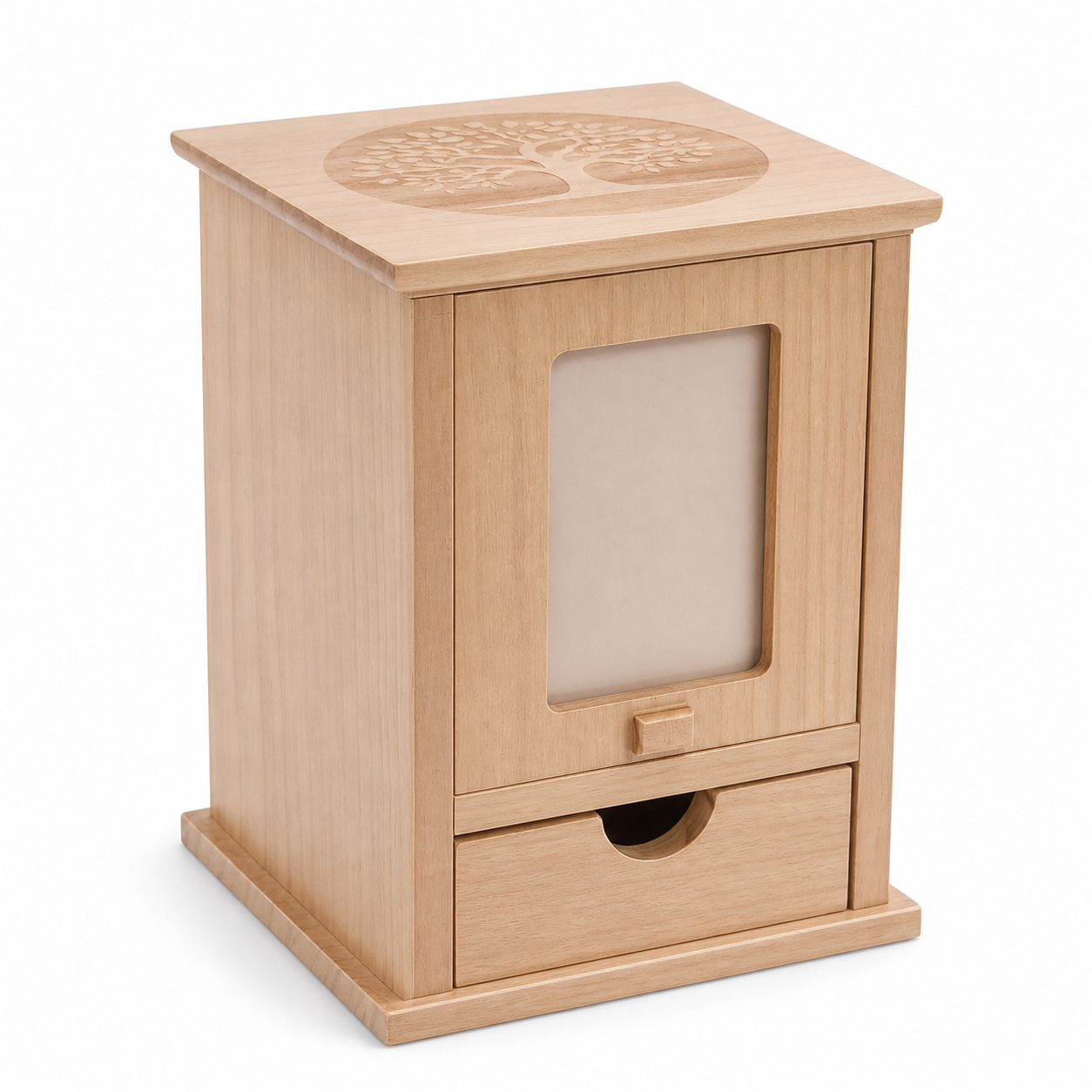
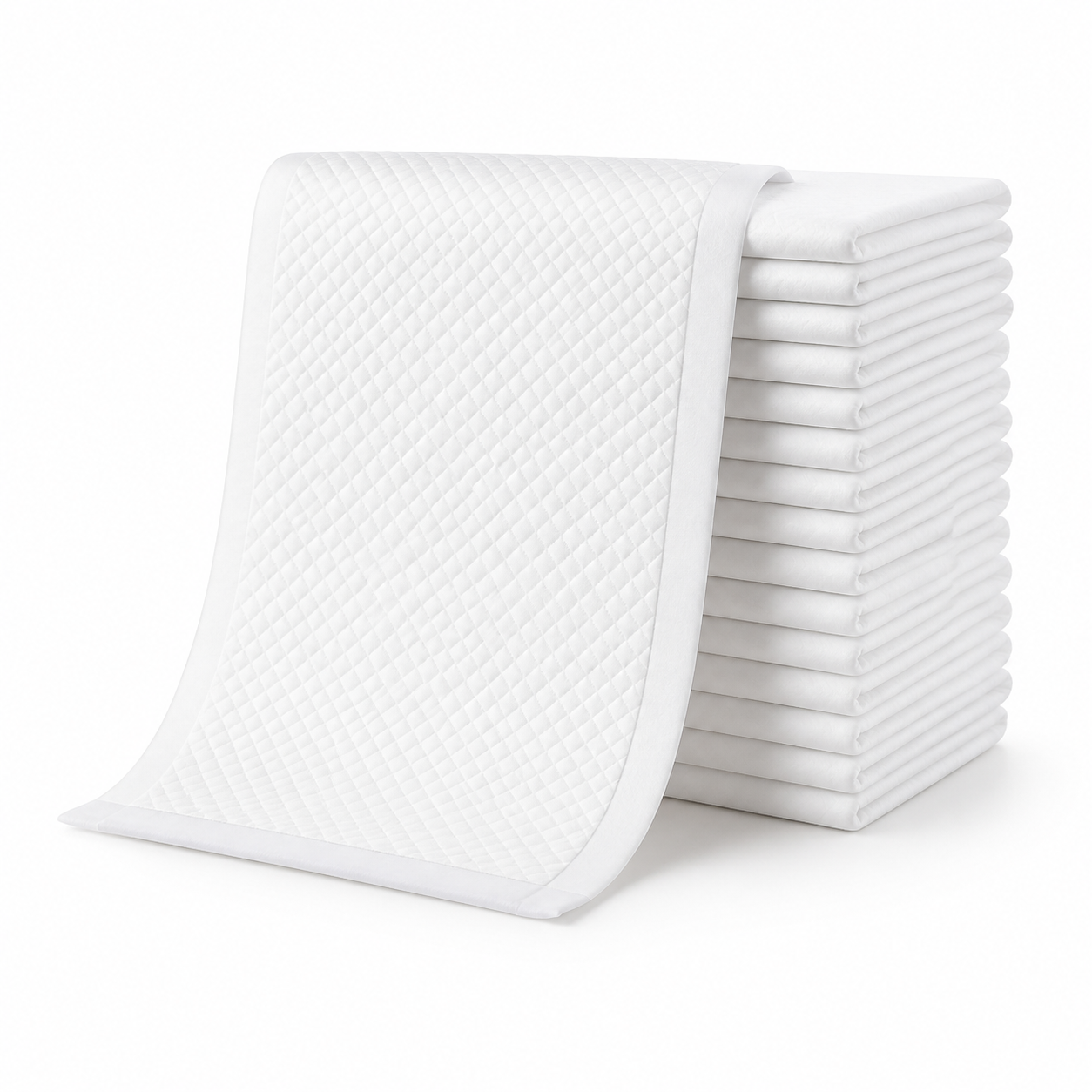
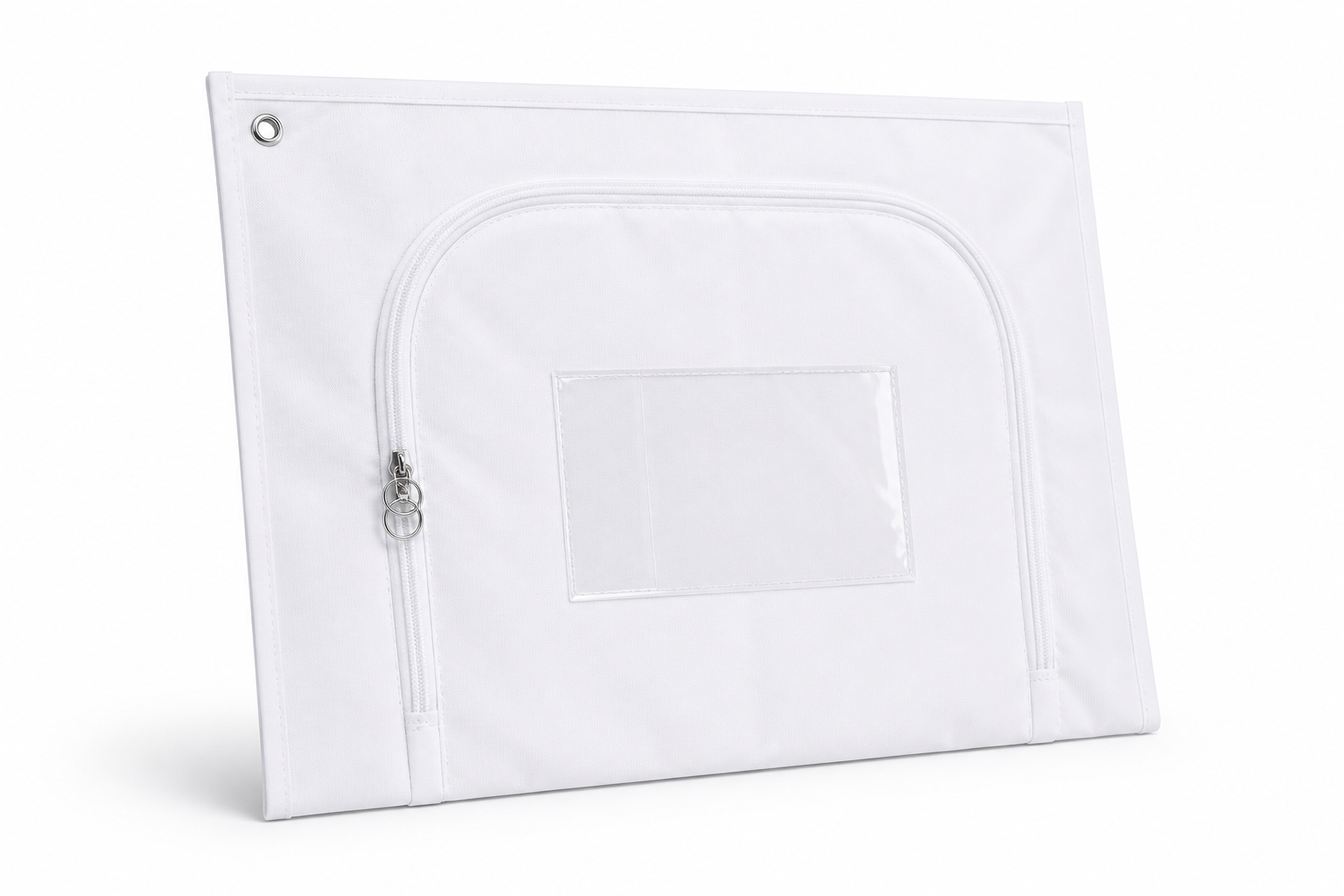
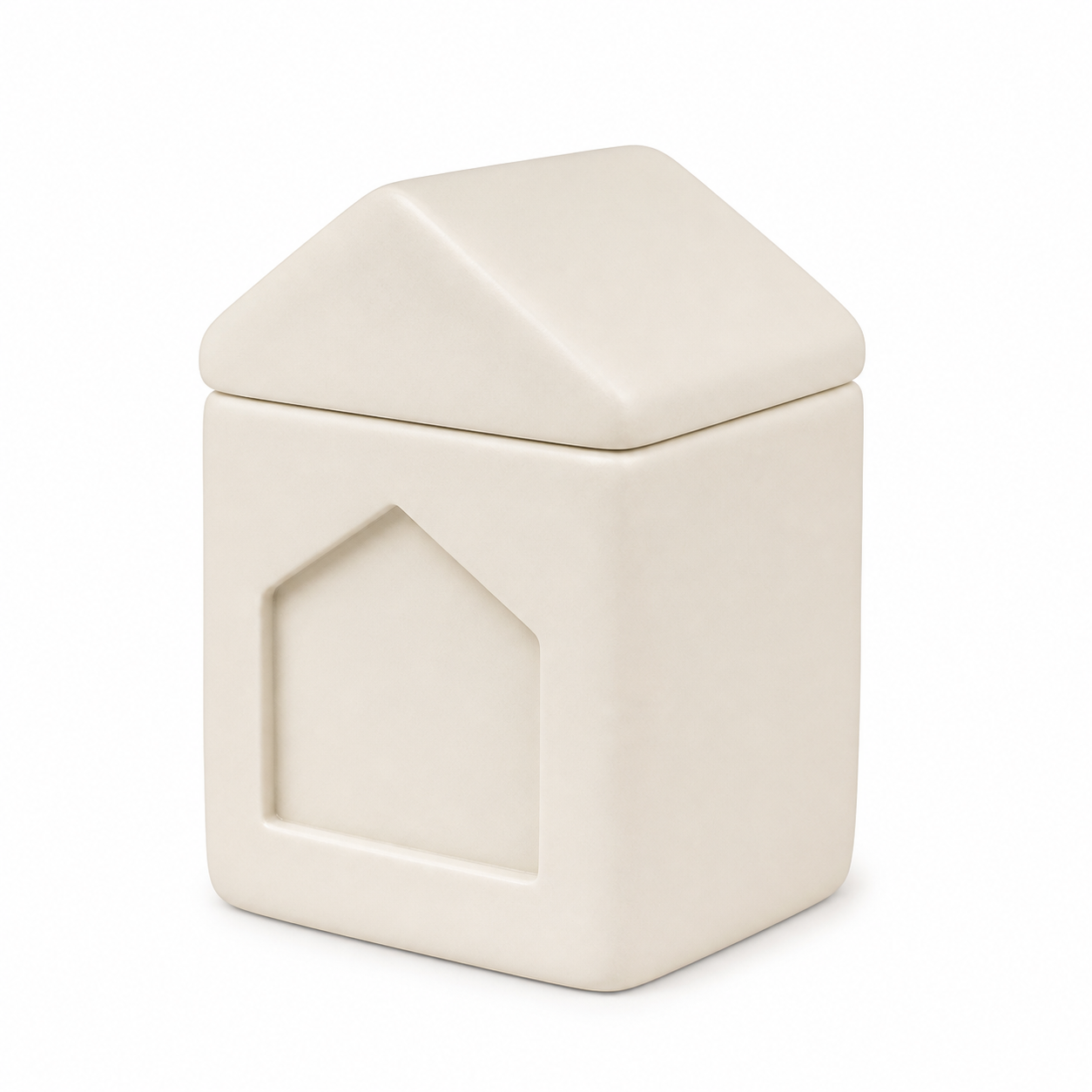

Petorvi runs as the second or third supplier on most B2B shortlists.
Send us the same brief you sent the others — we will reply with our evidence pack and a per-product spec sheet.
Start a quote request →